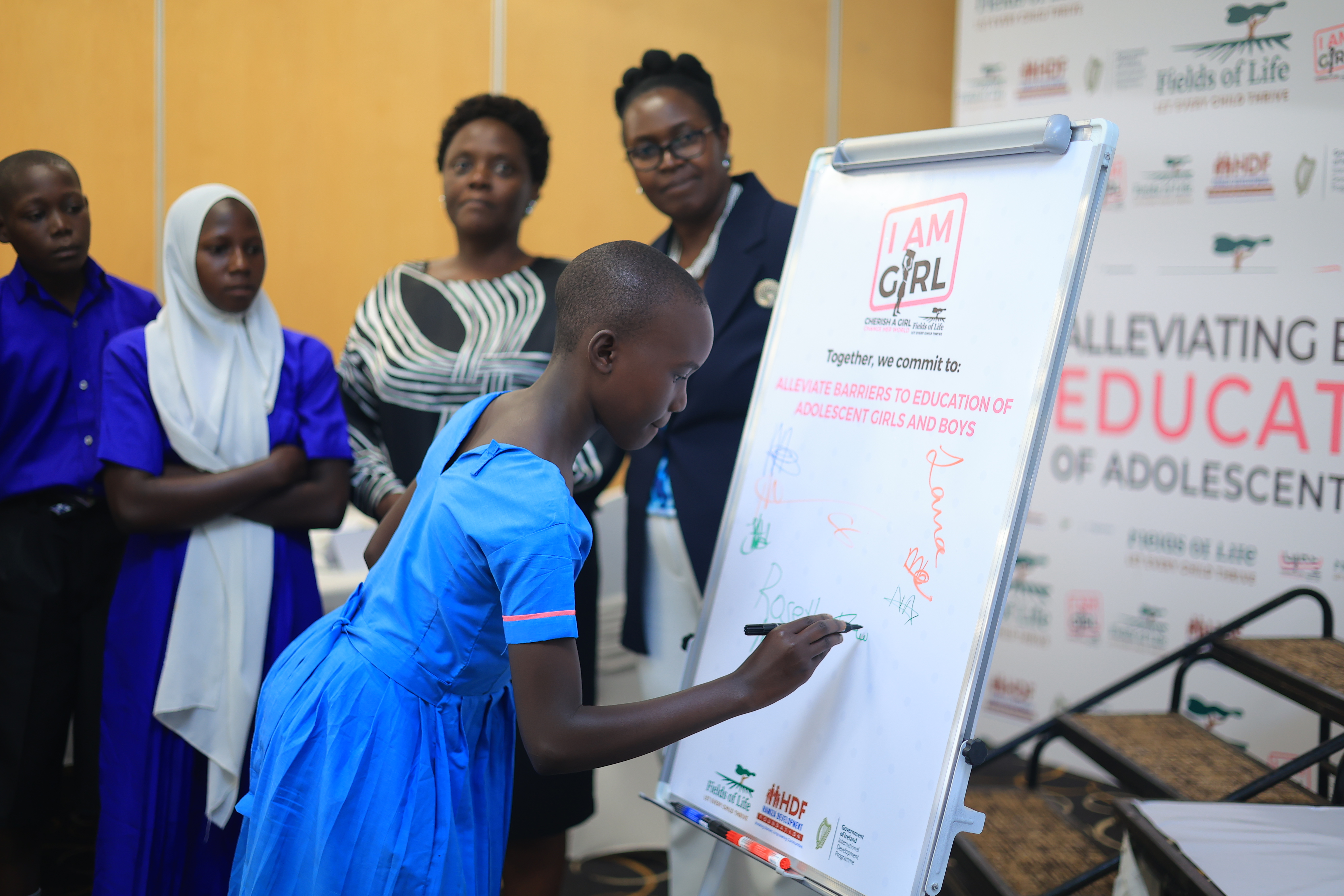
A communication strategy is not simply a list of activities — it is a deliberate roadmap that connects your organisation's mission to the people it exists to serve. At Wanda Communications, we guide nonprofits, government agencies, and private sector clients through a structured planning process that produces results.
Step 1: Define Your Communication Objectives
Your communication objectives should be SMART — Specific, Measurable, Achievable, Relevant, and Time-bound. Vague goals like "raise awareness" are insufficient. A better objective: "Reach 100,000 women aged 18–35 in northern Uganda with maternal health messaging within 6 months."
Step 2: Know Your Audience
Audience analysis is the foundation of effective communication. Conduct audience mapping exercises to understand demographics, media consumption habits, trust networks, and key barriers to behaviour change.
Step 3: Craft Your Key Messages
Key messages should be simple, consistent, and tailored to each audience segment. Avoid jargon. Test your messages with real community members before launching at scale.
Step 4: Choose Your Channels
In Uganda's communication landscape, effective campaigns often blend community radio, social media, community dialogues, print materials, and visual content. The right mix depends on your audience analysis.
Step 5: Measure and Adapt
Build in clear milestones and monitoring frameworks from the start. Use data to adapt your strategy in real time — the best communication plans are living documents, not static blueprints.