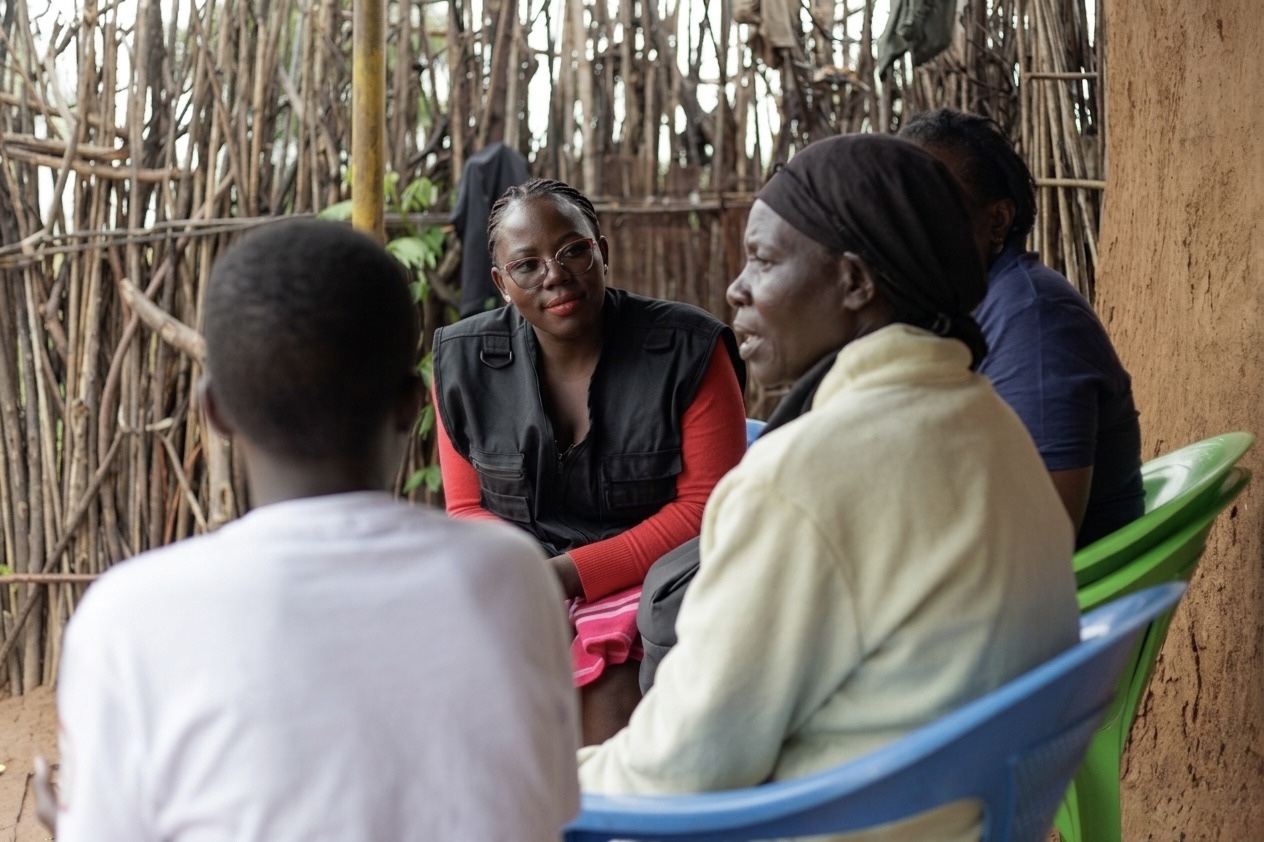
During a nutrition campaign in West Nile, our team discovered something that no communication textbook could have predicted: the communities we were trying to reach already had extensive knowledge about child nutrition. What was missing was not information — it was confidence, resources, and a sense that their voices mattered.
This experience reshaped how we approach community dialogue. Here are the lessons we carry forward to every engagement.
Listen Before You Speak
Effective community dialogue begins before any messages are crafted. Community mapping exercises, focus group discussions, and informal conversations reveal the communication ecosystem that already exists — including the trusted voices, the barriers to uptake, and the local language and framing that resonates.
Work Through Existing Networks
Every community has established networks — village health teams, women's groups, religious congregations, local councils. Communication that moves through these existing channels travels with built-in trust and legitimacy.
Create Space for Feedback
Dialogue cannot be scripted. Build in genuine opportunities for communities to challenge, question, and redirect the conversation. The discomfort of losing control of your message is far outweighed by the insights you gain.
Close the Loop
Communities that share their concerns and never hear back quickly become disengaged. Even a brief follow-up — through community radios, notice boards, or local leaders — signals that their input was heard and valued.